Source Cam Chain Slider for Engine Timing and Maintenance
Find 30 cam chain slider options from verified suppliers in China. Compare carbon fiber and stainless steel models for steady camera shots or industrial applications. Evaluate specifications, certifications, and pricing to select the right component for your specific engineering or photography needs.
Key considerations
Products List
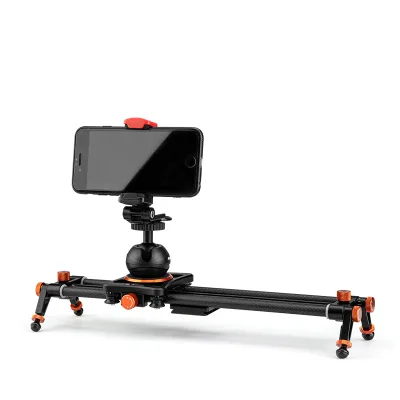
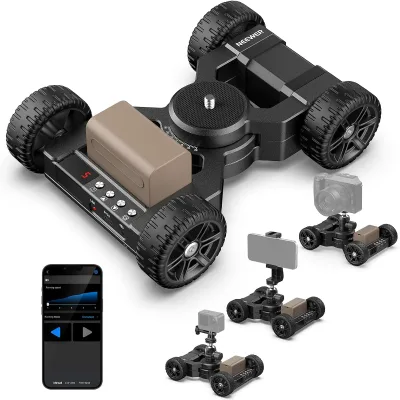
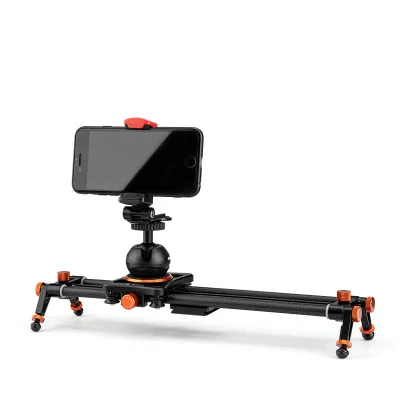


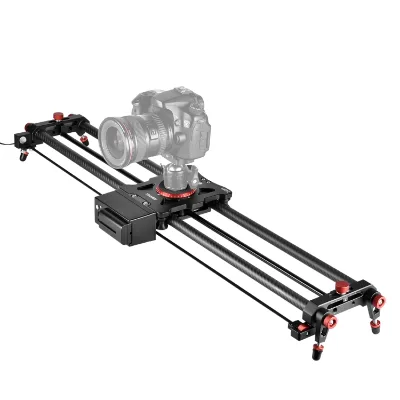
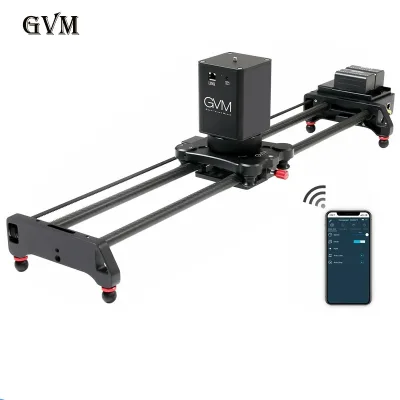
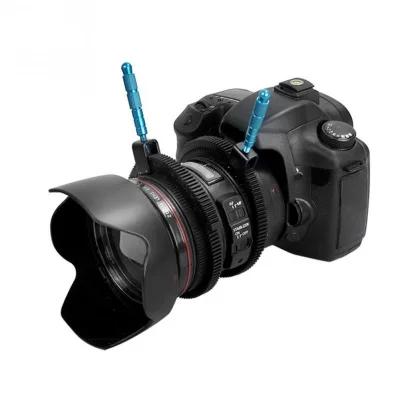


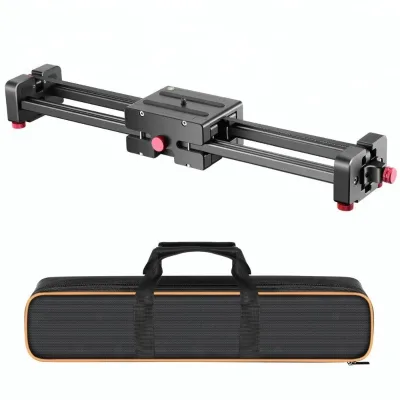


Comprehensive Sourcing Guide
Cam Chain Slider Sourcing Guide
Sourcing cam chain sliders requires a clear distinction between automotive engine components and industrial linear motion systems, as the term is often conflated in global trade directories. Buyers must first define whether they need a protective guard for motorcycle or ATV engines or a precision guide rail for machinery. The supplied data indicates a mix of photography equipment and industrial couplings, highlighting the critical need to filter search results by specific mechanical application. Misidentifying the product category can lead to sourcing errors, such as receiving camera slider accessories instead of engine protection parts.
To navigate this ambiguity, procurement teams should prioritize suppliers who explicitly list "cam chain" or "engine guard" in their product titles rather than generic terms like "slider." Verified listings often include specific vehicle compatibility data, such as make, model, and year, which serves as a strong indicator of product relevance. Additionally, examining the material composition is essential; automotive sliders typically use high-impact plastics or aluminum, whereas industrial sliders may involve stainless steel or carbon fiber. This initial filtering step ensures that the subsequent technical evaluation focuses on the correct engineering domain.
Product Scope and Observed Listing Signals
The observed market signals reveal a fragmented landscape where "slider" refers to vastly different products, from photography props to industrial valve couplings. Listings for photography sliders mention carbon fiber materials and specific weights, which are irrelevant to automotive applications. Conversely, industrial listings describe camlock couplings with thread standards like NPT and BSP, indicating a focus on fluid transfer rather than mechanical chain guidance. Buyers must recognize that these disparate categories often appear under similar search terms, necessitating rigorous keyword refinement to isolate true cam chain slider suppliers.
Specific product attributes in the data, such as "Quocking Coupling" or "Track slider," further illustrate the confusion inherent in broad keyword searches. A cam chain slider for an engine is a structural component designed to absorb impact and protect the cylinder head, a function entirely different from the linear movement of a camera rig or the sealing function of a camlock coupling. Procurement specialists should look for listings that explicitly mention engine protection, chain guides, or crash guards. Ignoring these contextual clues can result in purchasing components that lack the necessary durability or fitment for high-vibration automotive environments.
Technical Specifications to Verify
Verifying technical specifications is paramount when sourcing cam chain sliders, as performance depends heavily on material integrity and dimensional accuracy. Buyers should request detailed drawings that specify the mounting hole patterns, overall length, and thickness of the slider body. The material type is critical; common options include ABS plastic, aluminum alloy, or reinforced composites, each offering different trade-offs between weight, cost, and impact resistance. Suppliers must provide material certifications or test reports to confirm that the chosen substance can withstand the thermal and mechanical stresses of engine operation without degrading or shattering.
Dimensional precision is equally important to ensure proper fitment on the specific engine model. Tolerances for mounting points must be tight to prevent vibration-induced loosening, which can lead to component failure and engine damage. Buyers should also inquire about the surface finish and coating, as these factors influence corrosion resistance and heat dissipation. For instance, anodized aluminum offers better durability than raw metal, while specialized plastics may include UV stabilizers for off-road applications. Confirming these details with the supplier before placing an order prevents costly returns and installation delays.
Compliance and Safety Documentation
While cam chain sliders are primarily mechanical components, compliance with safety and quality standards remains a key procurement consideration. Buyers should verify that suppliers adhere to recognized quality management systems, such as ISO 9001, which indicates a consistent manufacturing process. Although specific automotive certifications may vary by region, general product safety standards ensure that materials do not contain hazardous substances that could off-gas under high heat. Documentation should include material safety data sheets (MSDS) for any coatings or adhesives used in the assembly of the slider.
Additionally, buyers must ensure that the product does not interfere with other engine components or violate local vehicle modification laws. In some jurisdictions, aftermarket engine guards must meet specific impact resistance standards to be legally installed on road-registered vehicles. Suppliers should provide evidence of drop tests or impact simulations to demonstrate the slider's ability to protect the engine during a fall. Requesting these safety documents helps mitigate liability risks and ensures that the purchased components meet the necessary regulatory requirements for their intended use.
Cost Drivers and Commercial Terms
Understanding the cost drivers for cam chain sliders allows buyers to negotiate more effectively and avoid unexpected price fluctuations. The primary cost factors include the raw material price, manufacturing complexity, and order volume. High-impact plastics and aerospace-grade aluminum are more expensive than standard materials, while complex geometries requiring CNC machining increase labor costs. Buyers should also consider the impact of customization; custom-designed sliders for rare engine models often carry higher minimum order quantities (MOQs) and setup fees compared to standard off-the-shelf parts.
Commercial terms such as payment methods, shipping costs, and lead times significantly affect the total cost of ownership. Suppliers may offer discounts for bulk purchases, but buyers must balance this against inventory holding costs. It is also crucial to clarify who bears the risk of loss during transit, especially when sourcing from international suppliers. Clear agreements on warranty terms and return policies for defective units provide a safety net against manufacturing inconsistencies. Transparent pricing structures help buyers forecast budgets accurately and maintain healthy profit margins.
Supplier Qualification and Quality Control
Qualifying suppliers for cam chain sliders requires a thorough assessment of their manufacturing capabilities and quality control processes. Buyers should verify the supplier's production capacity to ensure they can meet demand without compromising quality. Requesting samples is a critical step to evaluate the fit, finish, and material quality firsthand. During the sampling phase, buyers should inspect the mounting holes for burrs, check the surface for defects, and verify the weight against specifications. This hands-on evaluation provides tangible evidence of the supplier's attention to detail and consistency.
Beyond physical inspection, buyers should inquire about the supplier's internal quality control protocols. Do they perform random sampling inspections, full batch testing, or use automated measurement tools? Suppliers with robust QC processes are less likely to deliver defective products. Additionally, checking the supplier's track record and customer reviews can provide insights into their reliability and customer service. Establishing a clear communication channel for addressing quality issues ensures that any problems are resolved quickly and efficiently, maintaining the integrity of the supply chain.
Long-Term Procurement Checks
Long-term procurement success depends on establishing ongoing performance metrics and regular supplier audits. Buyers should track key performance indicators such as on-time delivery rates, defect rates, and responsiveness to issues. Regularly reviewing these metrics helps identify potential problems before they escalate into major supply chain disruptions. Maintaining a diverse supplier base can also mitigate risks associated with single-source dependencies, ensuring continuity of supply even if one supplier faces production challenges.
Furthermore, buyers should stay informed about industry trends and technological advancements in cam chain slider design. New materials or manufacturing techniques may offer improved performance or cost savings, providing opportunities for optimization. Regularly engaging with suppliers to discuss future needs and potential improvements fosters a collaborative relationship that benefits both parties. By continuously monitoring performance and adapting to market changes, buyers can ensure a resilient and efficient procurement process for cam chain sliders.
FAQs
What materials are used for the slider?
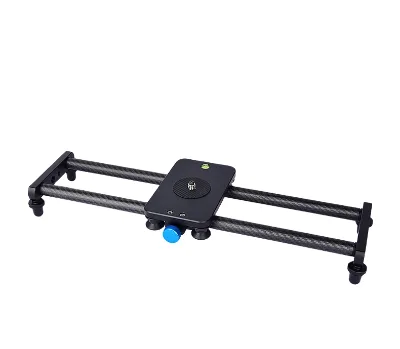
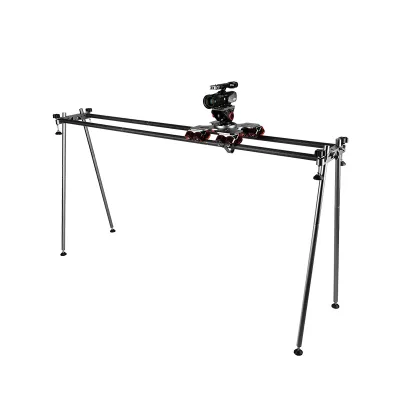
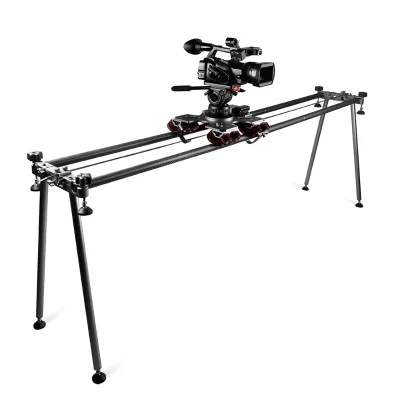
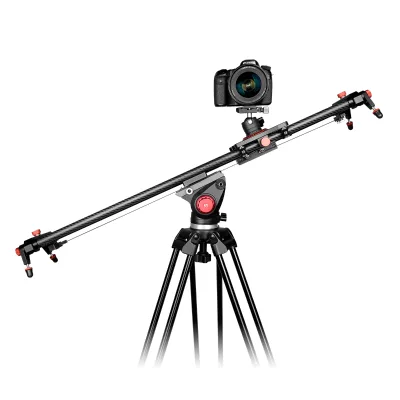
The slider is constructed from carbon fiber and stainless steel materials. These materials ensure durability and stability during operation. Some models feature a black and orange color scheme while others are solid black. The design supports steady shot capabilities for photography applications.
Which certifications do the products hold?
The products hold CE and ISO certifications as verified by the product specifications. These certifications indicate compliance with international safety and quality standards. Buyers can rely on these documented attributes when selecting suppliers for their specific photography or industrial needs.
Can the products be customized for specific needs?
Yes, customization is available for many of the listed products. Buyers can request specific modifications to meet unique requirements. The product attributes confirm that custom options exist alongside standard models. This flexibility allows for tailored solutions in various industrial and photography contexts.
What is the typical packaging for these items?
Items are typically packed in cartons, boxes, or export packaging. Some larger units are shipped in cartons on pallets. The single package size is often around 35x10x7 cm. This packaging ensures safe transport and protection during international shipping to global destinations.
Where are these products manufactured?
These products originate from Guangdong and Shandong provinces in China. The manufacturing locations are clearly stated in the product origin details. Buyers can expect supply chains rooted in these established industrial regions known for producing high-quality equipment.
What is the weight of the single item?
The single gross weight is approximately 0.360 kg for some models. Other items may weigh up to 2.75 kilograms depending on the specific type. These weight variations reflect differences in material composition and structural design across the product range.
Which thread standards are supported?
The products support NPT, Bsp, and Metric thread standards. These standards ensure compatibility with various international connection requirements. The specifications list multiple thread types to accommodate diverse industrial applications and equipment interfaces.